
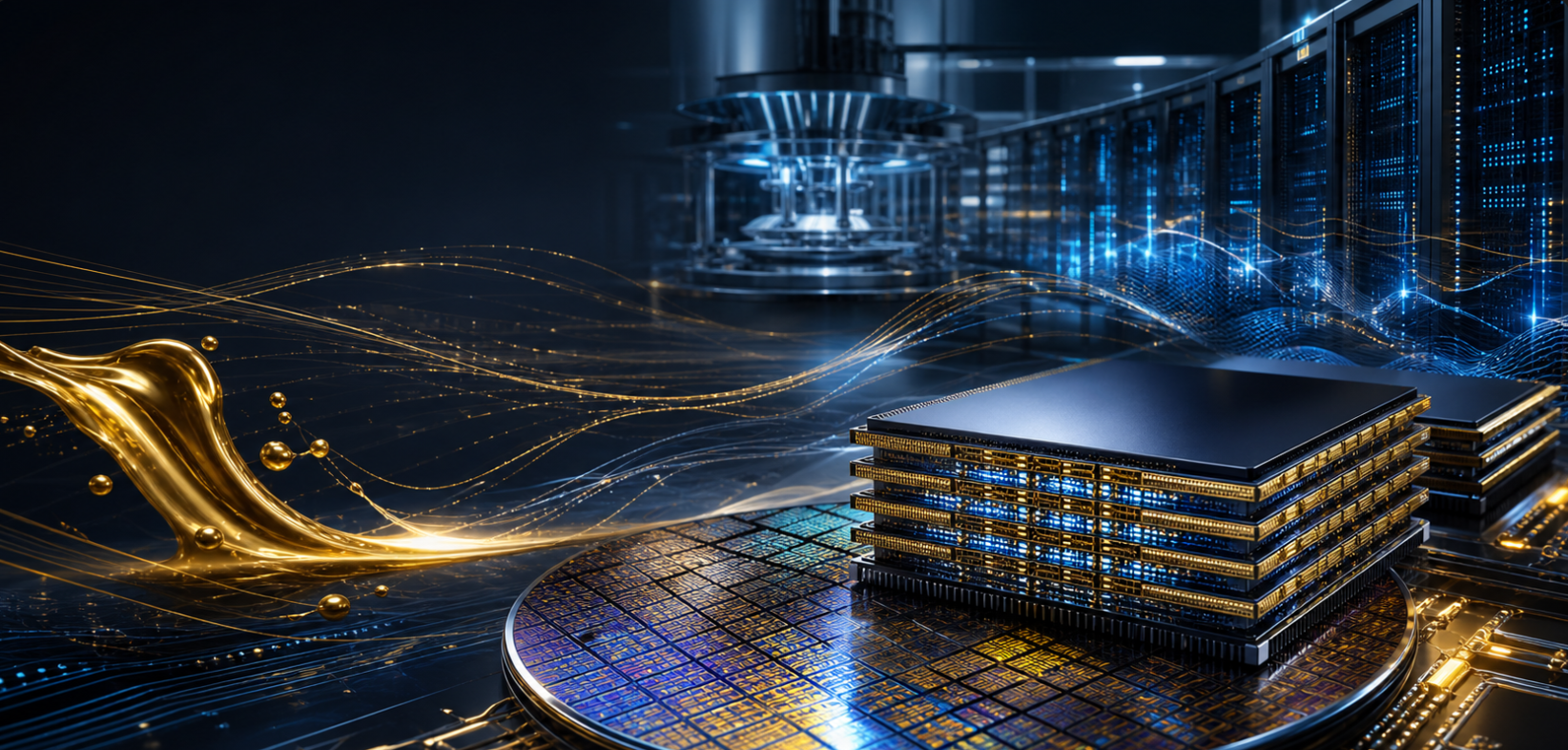
В глобальном технологическом ландшафте 2026 года, если большие AI-модели являются “двигателями” инноваций, то чипы памяти, безусловно, становятся “новой нефтью”, питающей их работу. На фоне взрывного спроса на генеративный AI мировой рынок памяти проходит через беспрецедентный суперцикл. От Уолл-стрит до Луцзяцзуй каждый импульс сектора памяти вызывает волны на глобальных рынках капитала.
В глобальном технологическом ландшафте 2026 года, если большие AI-модели являются “двигателями” инноваций, то чипы памяти, безусловно, становятся “новой нефтью”, питающей их работу. На фоне взрывного спроса на генеративный AI мировой рынок памяти проходит через беспрецедентный суперцикл. От Уолл-стрит до Луцзяцзуй каждый импульс сектора памяти вызывает волны на глобальных рынках капитала.
I. Снимок рынка: самый сильный дисбаланс спроса и предложения в истории
Во втором квартале 2026 года мировой рынок чипов памяти столкнулся с дефицитом поставок, какого не было последние 15 лет. По последним данным отраслевых авторитетных источников, контрактные цены на DRAM и NAND flash демонстрируют импульсный рост, а в некоторых сегментах квартальный прирост достигает 70%.
Этот подъем не случаен: он сформирован совпадением “скачка вычислительной мощности” со стороны спроса и “структурного несоответствия” со стороны предложения.
- Спрос на AI-инфраструктуру: от B200 до более продвинутой архитектуры Rubin спрос на память с высокой пропускной способностью (HBM) растет экспоненциально. Память больше не является простым дополнением; она стала узким местом вычислительной мощности и напрямую определяет эффективность обработки данных в дата-центрах.
- Фиксация прибыли долгосрочными контрактами: чтобы смягчить экстремальную волатильность прошлых лет, такие гиганты, как Samsung и SK Hynix, уходят от краткосрочных контрактов и подписывают крупные соглашения на 3-5 лет. Это позволяет успешно превращать “краткосрочную сверхприбыль” в “долгосрочную выручку”.
II. Расхождение рынка: перетягивание каната между “быками” и “медведями”
Несмотря на поток позитивных новостей, взгляды рынка капитала на сектор памяти существенно разошлись. Это трение остается ядром текущей рыночной волатильности.
- Медведи (лагерь циклического предупреждения): их представляют несколько аналитиков Уолл-стрит, опасающихся, что середина 2026 года может стать ценовым пиком. Их логика такова: с одной стороны, нижестоящие конечные рынки, такие как смартфоны и потребительская электроника, остаются слабыми, создавая большой “ножничный разрыв” между AI-бумом и слабостью потребительской электроники; с другой стороны, наращивание мощностей китайскими производителями, такими как CXMT и YMTC, рассматривается как потенциальный фактор нарушения текущего напряженного баланса спроса и предложения.
- Быки (лагерь структурного роста): противоположная сторона настаивает, что рынок памяти фундаментально избавился от традиционной “высокой цикличности” и вошел в “суперцикл, движимый AI”. Они ссылаются на прогнозы SK Hynix, согласно которым дефицит предложения памяти может сохраняться до 2030 года. По их мнению, индустрия памяти похожа на нефтяную отрасль прошлого: тот, кто контролирует ресурсы хранения, контролирует цифровое топливо эпохи AI.
III. Инвестиционная стратегия: как увидеть сквозь туман?
На фоне текущих рыночных колебаний для инвесторов вторичного рынка сектор памяти уже не является простой сделкой “купить и держать”; он требует более тонкого позиционирования.
- Фокус на конкретных звеньях: компании, производящие модули памяти, могут выиграть от быстрого отражения краткосрочной прибыли, тогда как разработчики памяти и компании, тесно связанные с оригинальными производителями, могут получить более высокую оценочную премию в процессе импортозамещения.
- Осторожность к сигналам “перегрева”: когда широкий полупроводниковый сектор уходит в коррекцию, важно внимательно следить за геополитическими рисками и колебаниями стоимости материалов upstream. Долгосрочные контракты с высокой долей фиксируют прибыль, но могут ограничивать ценовую гибкость во время отраслевого спада.
- Ключевая логика: смотреть не только на объявления о повышении цен, а на прогресс компании в высокомаржинальных областях, таких как HBM. Именно это является настоящим фактором долгосрочного конкурентного рва компании.
Заключение
В 2026 году сектор памяти стоит на перекрестке “цикла” и “роста”. С одной стороны, AI вызывает эпическую переоценку его стоимости; с другой - сектор живет в тени возможного циклического пика. Как шутят на Уолл-стрит, по мере того как чипы памяти становятся “новой нефтью”, их волатильность все больше будет напоминать сырьевые товары.
Для инвесторов в этом “суперцикле” спокойствие и наблюдательность гораздо важнее слепого наступления. В эпоху AI-алхимии время в конечном счете покажет, кто действительно способен совершить технологический прорыв и продолжать “очищать чистое золото”.
Предупреждение о рисках: приведенный выше контент отражает только взгляды рыночного анализа и не является инвестиционной рекомендацией. Индустрия чипов памяти отличается высокой волатильностью; инвесторам следует осторожно оценивать собственную терпимость к риску.